Every business has different advertising needs, goals, and budgets. Google Ads offers many ad types to help businesses reach customers effectively. Choosing the right Google ad type saves money, improves results, and supports steady business growth.
Trying every Google ad type without planning can waste budget and time. Understanding each Google Ads type helps businesses choose the right campaign for better performance.
This informative article explains all 22 types of Google Ads, including how they work, who should use them, and their benefits.
How Many Types of Google Ads Are There?
Many people ask how many Google Ads types exist today. The answer depends on how campaigns and formats are counted.
Google Ads has nine main campaign types, and each campaign includes different ad formats. When combined, there are 22 total Google ad types available for advertisers.
Complete List of 22 Types of Google Ads
Google Ads offers many ad formats to meet different business goals. Each ad type serves a specific purpose, audience, and marketing objective. Understanding these ad types helps businesses choose the right advertising strategy.
Below is the complete list of all 22 Google ad types currently available:
Google Search Ad Types
- Search Ads
- Responsive Search Ads
- Call-Only Ads
- Dynamic Search Ads
Google Display Ad Types
- Single Image Display Ads
- Responsive Display Ads
Google Video Ad Types
- Skippable In-Stream Video Ads
- Non-Skippable In-Stream Video Ads
- In-Feed Video Ads
- Bumper Ads
- Outstream Video Ads
- Masthead Video Ads
Google Shopping Ad Types
- Product Shopping Ads
- Local Inventory Shopping Ads
Google Performance and Automation Ad Types
- Performance Max Ads
- Smart Search Ads
- Smart Display Ads
Google App Ad Types
- App Install Ads
- App Engagement Ads
- App Pre-Registration Ads
Google Discovery and Local Ad Types
- Discovery Ads
- Local Campaign Ads
- Local Services Ads
1. Google Search Campaigns
What Are Google Search Ads?
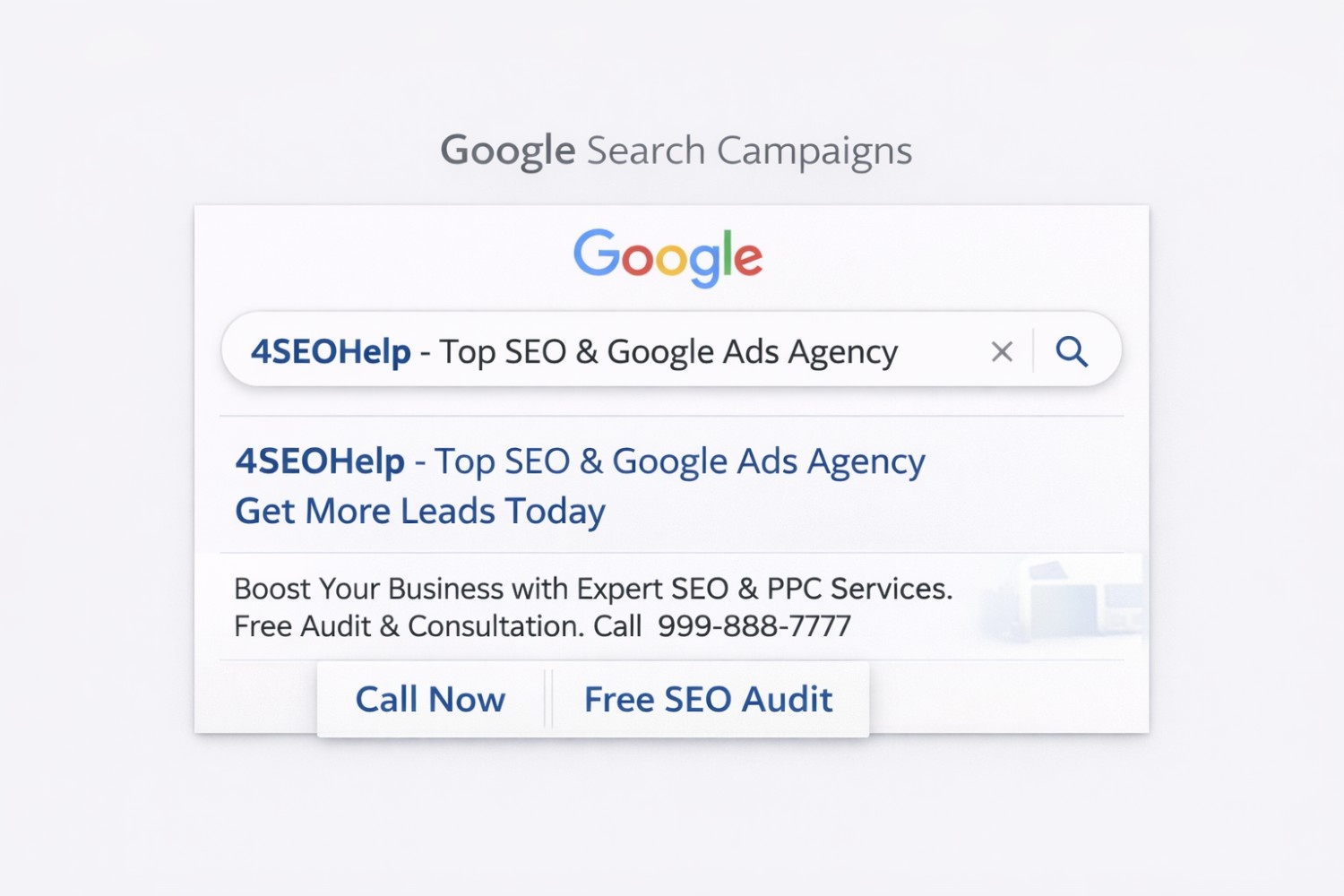
Search ads are text-based ads that appear on Google search results pages. These ads show when users search for specific keywords.
How Search Ads Work?
Advertisers bid on keywords related to their products or services. Google shows ads based on relevance, bid amount, and ad quality.
Who Should Use Search Ads?
Search ads work best for businesses wanting leads, calls, or direct sales. They target users with strong buying intent.
Types of Google Search Ads
Responsive Search Ads
Responsive search ads use multiple headlines and descriptions. Google combines them to show the best performing version.
Best for: Businesses wanting flexible ads with better performance over time.
Call-Only Ads
Call ads show a phone number instead of a website link. Users can call directly from search results.
Best for: Service businesses focusing on phone calls and inquiries.
Dynamic Search Ads
Dynamic search ads use website content to create ads automatically. Google matches searches with relevant website pages.
Best for: Businesses with large websites and many products or services.
Pros and Cons of Search Ads
Pros:
High intent traffic brings better conversion chances.
Easy setup and fast visibility in search results.
Cons:
High competition increases cost per click.
Limited creativity due to text-only format.
2. Google Display Campaigns
What Are Display Ads?
Display ads are image-based ads shown on websites across the Google Display Network.
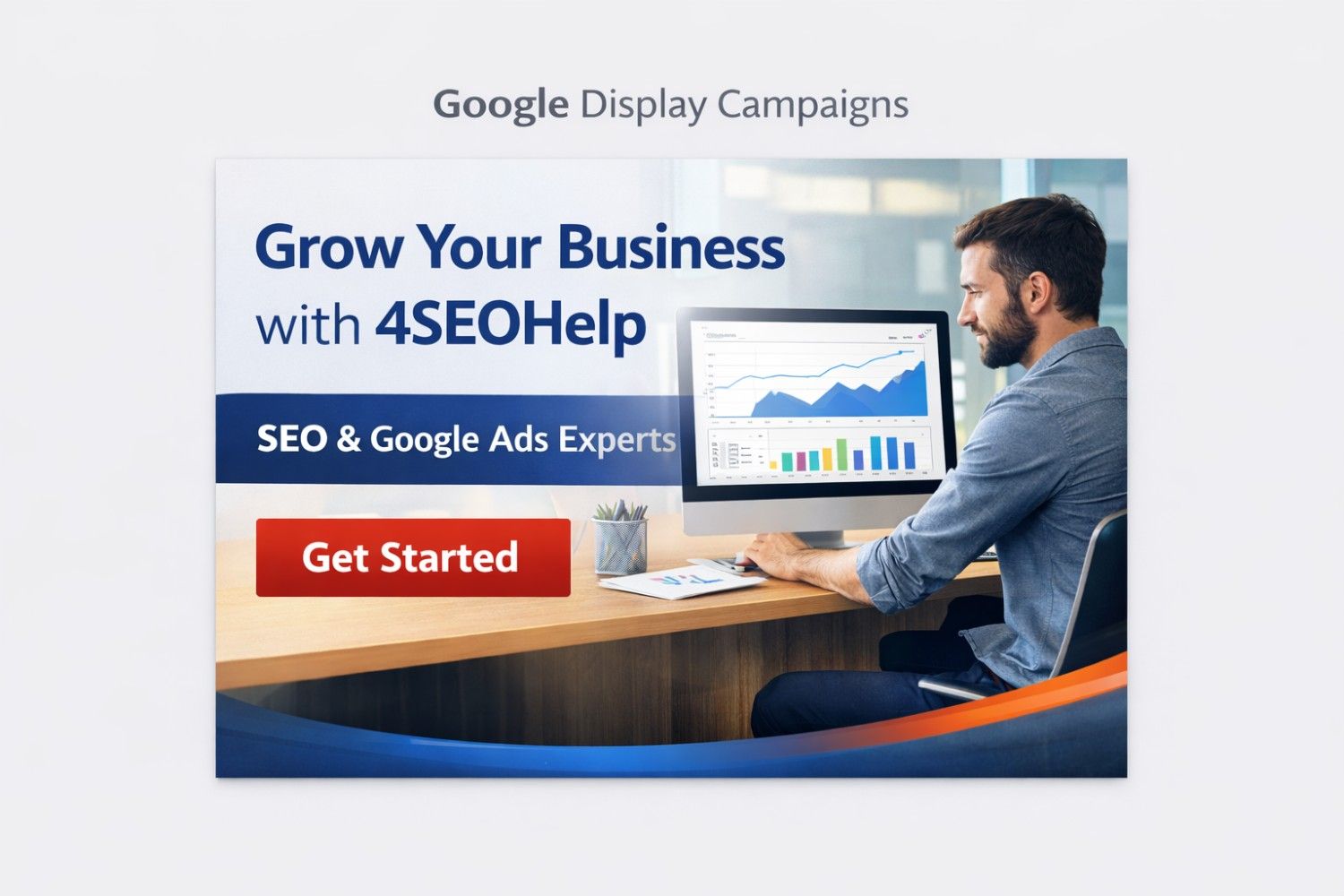
How Display Ads Work?
Display campaigns target audiences, topics, placements, and interests instead of keywords.
Who Should Use Display Ads?
Display ads suit businesses focusing on brand awareness and remarketing.
Types of Google Display Ads
Single Image Display Ads
These are static banner ads uploaded by advertisers.
Responsive Display Ads
Responsive display ads adjust images and text automatically for placements.
Pros and Cons of Display Ads
Pros:
Lower cost compared to search ads.
Strong visual impact for brand visibility.
Cons:
Lower click-through rates compared to search ads.
Conversion tracking can be challenging.
3. Google Video Campaigns
What Are Video Ads?
Video ads appear on YouTube and Google partner websites.
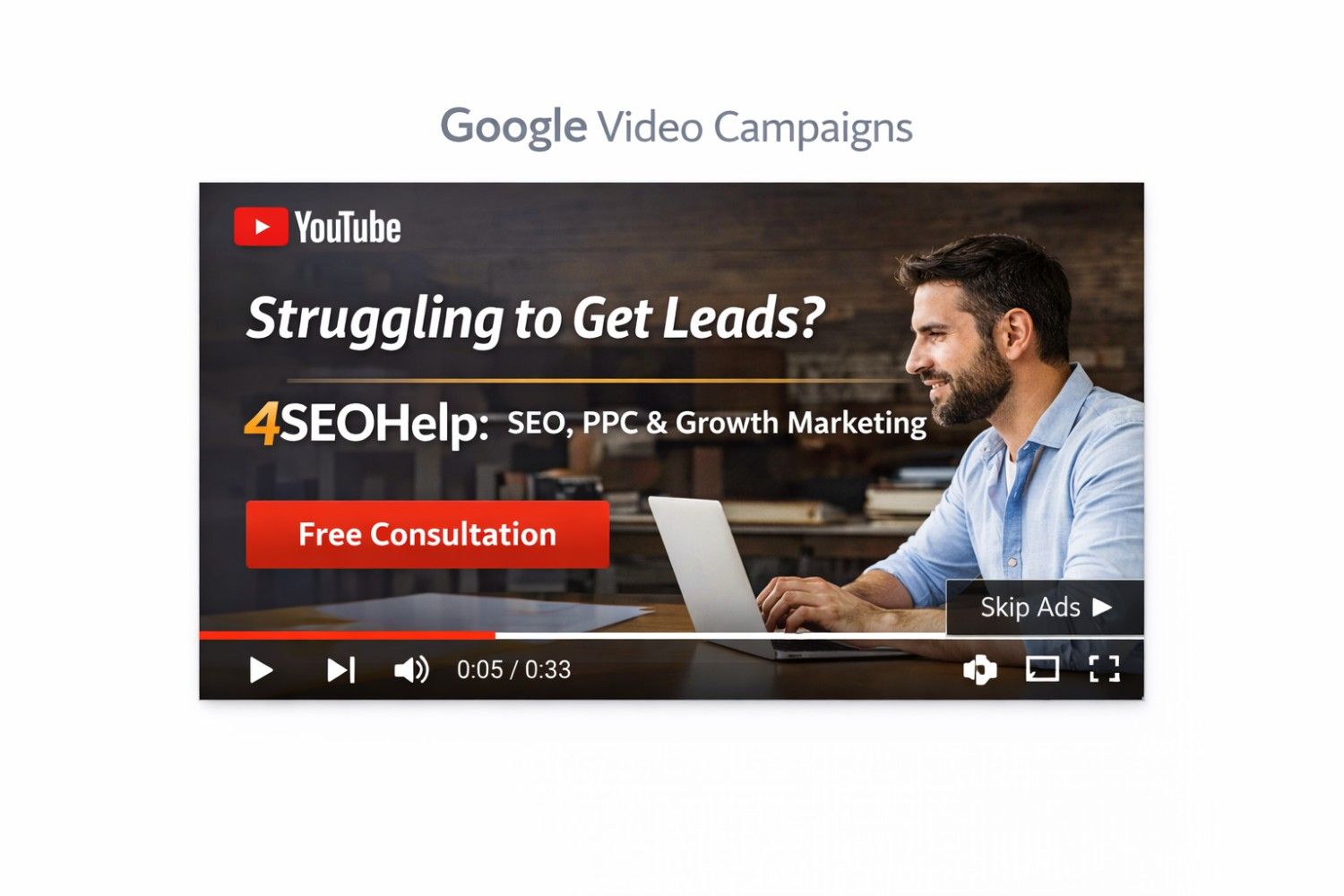
How Video Ads Work?
Advertisers target audiences and placements using video content.
Who Should Use Video Ads?
Video ads suit businesses wanting awareness, engagement, and emotional storytelling.
Types of Google Video Ads
Skippable In-Stream Ads appear before or during videos.
Non-Skippable In-Stream Ads force full viewing up to fifteen seconds.
In-Feed Video Ads appear in YouTube search and suggestions.
Bumper Ads are short six-second non-skippable ads.
Outstream Ads play silently on mobile partner websites.
Masthead Ads appear on YouTube homepage through reservation.
Pros and Cons of Video Ads
Pros:
High engagement and emotional connection.
Multiple formats for different marketing goals.
Cons:
Video production needs time and budget.
High competition on YouTube placements.
4. Google Shopping Campaigns
What Are Shopping Ads?
Shopping ads display product images, prices, and store names in search results.
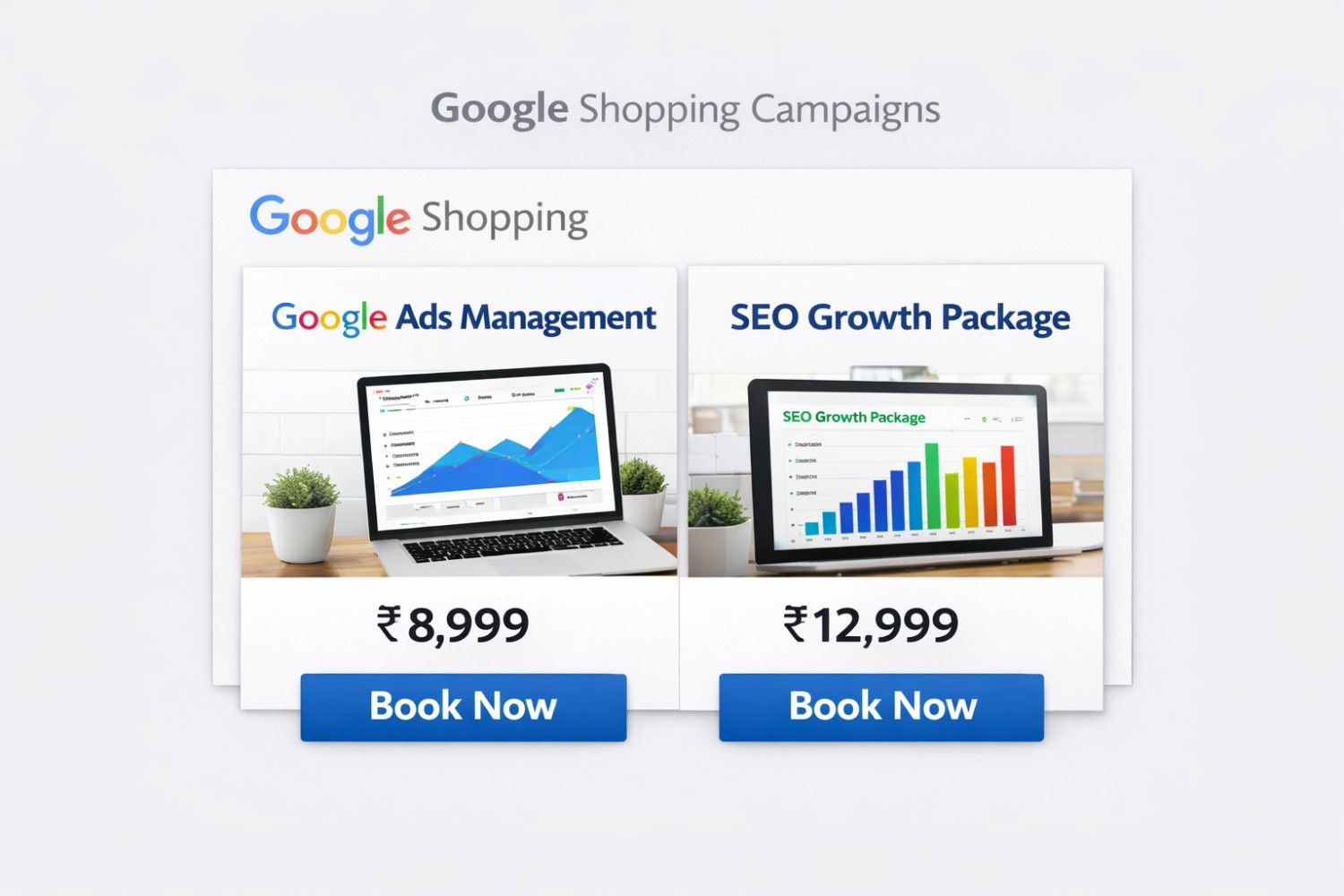
How Shopping Ads Work?
Shopping campaigns use product data from Google Merchant Center.
Who Should Use Shopping Ads?
Shopping ads work best for ecommerce and retail businesses.
Types of Google Shopping Ads
Product Shopping Ads
These ads show product images with price and details.
Local Inventory Ads
These ads show nearby store inventory availability.
Pros and Cons of Shopping Ads
Pros:
Visual ads attract high buying intent users.
Appear on search and shopping tabs.
Cons:
Requires product feed optimization.
No direct keyword targeting control.
5. Google Smart Campaigns
What Are Smart Ads?
Smart campaigns are automated ads managed mostly by Google.
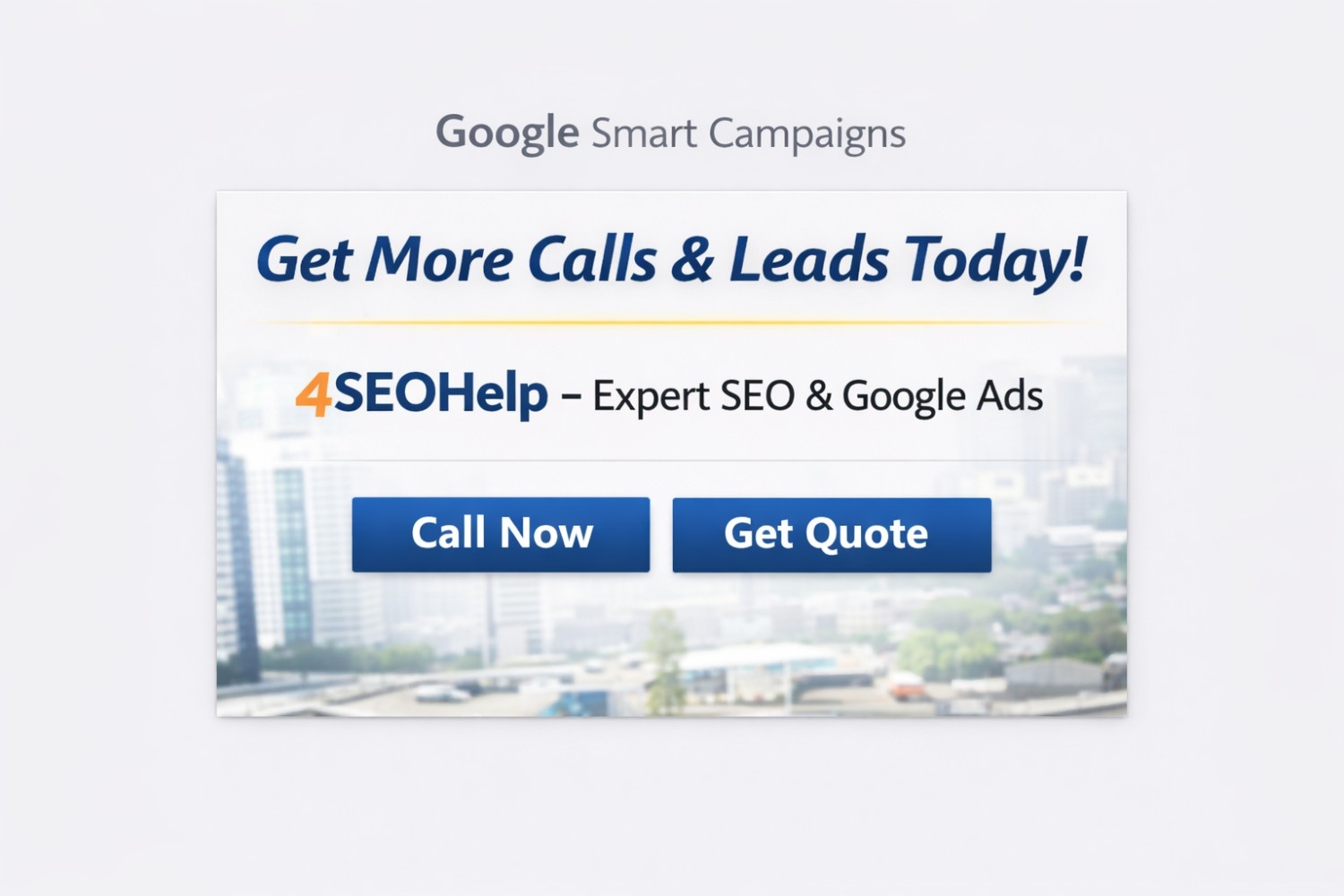
How Smart Ads Work?
Advertisers provide basic business details and goals. Google handles targeting and placements.
Who Should Use Smart Ads?
Smart ads suit beginners or busy business owners with limited time.
Pros and Cons of Smart Ads
Pros:
Easy setup and minimal management.
Cons:
Limited control over targeting and optimization.
6. Google Performance Max Campaigns
What Are Performance Max Ads?
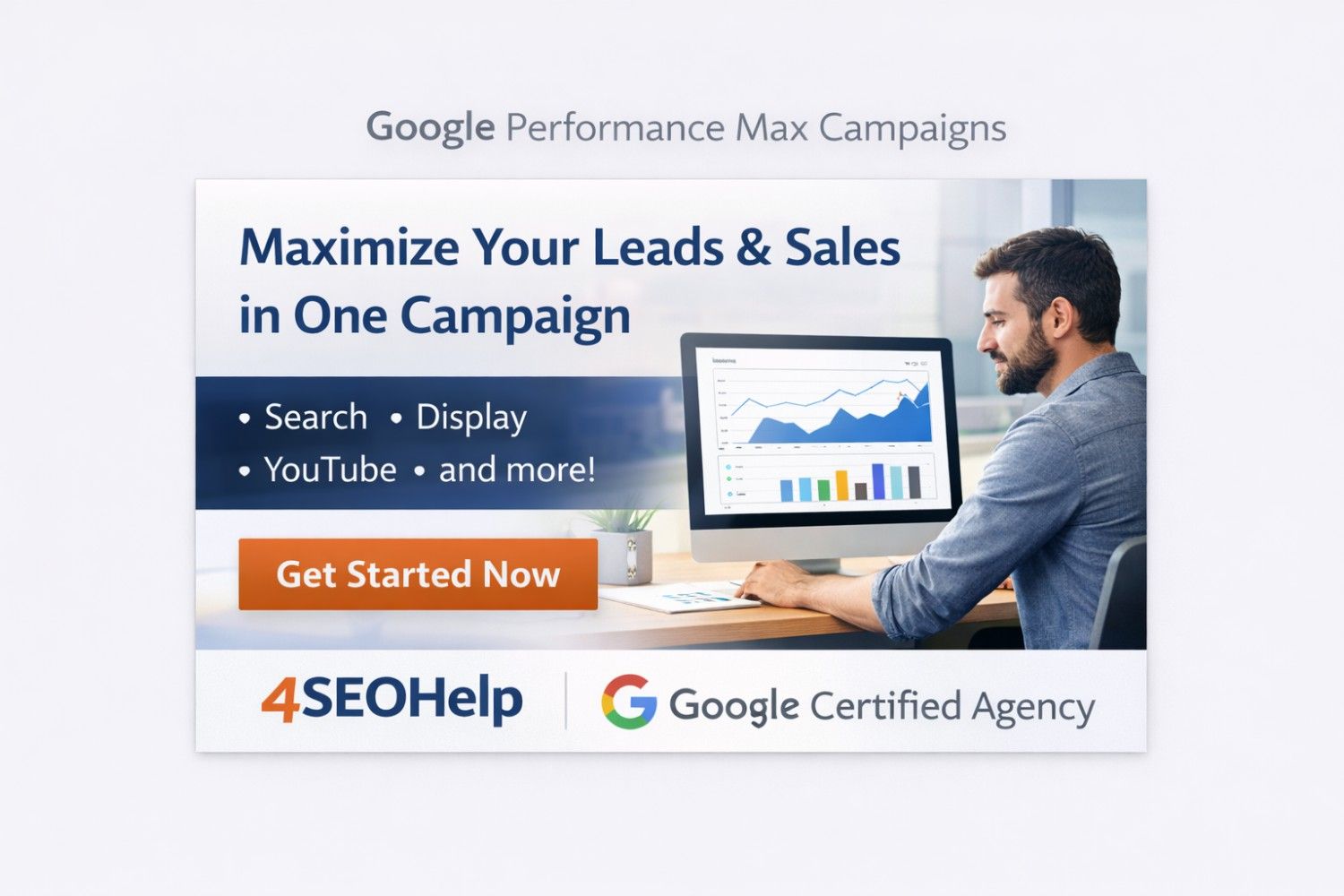
Performance Max campaigns show ads across all Google networks from one campaign.
How Performance Max Works
Advertisers provide assets and conversion goals. Google uses machine learning for optimization.
Who Should Use Performance Max?
Performance Max suits ecommerce businesses with clear conversion tracking.
Pros and Cons of Performance Max
Pros:
Access to all Google placements.
Strong automation for performance improvement.
Cons:
Requires higher daily budget.
Less transparency and manual control.
7. Google Discovery Campaigns
What Are Discovery Ads?
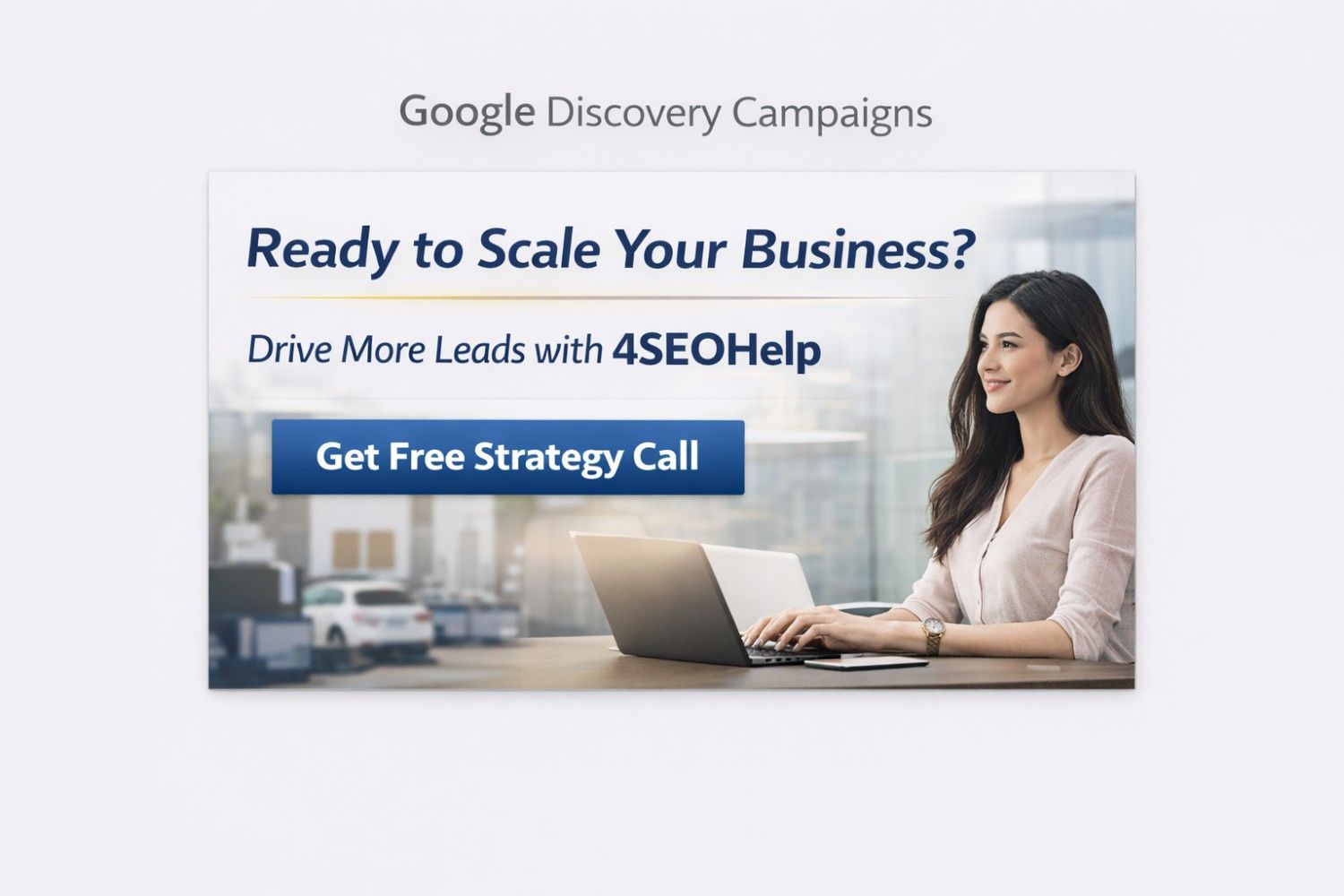
Discovery ads appear in Google feeds like YouTube, Gmail, and Discover.
Who Should Use Discovery Ads?
Discovery ads suit businesses wanting to reach new audiences visually.
Pros and Cons of Discovery Ads
Pros:
Large reach across Google feeds.
Cons:
Limited placement control.
8. Google Local Campaigns
What are Google Local Campaigns?
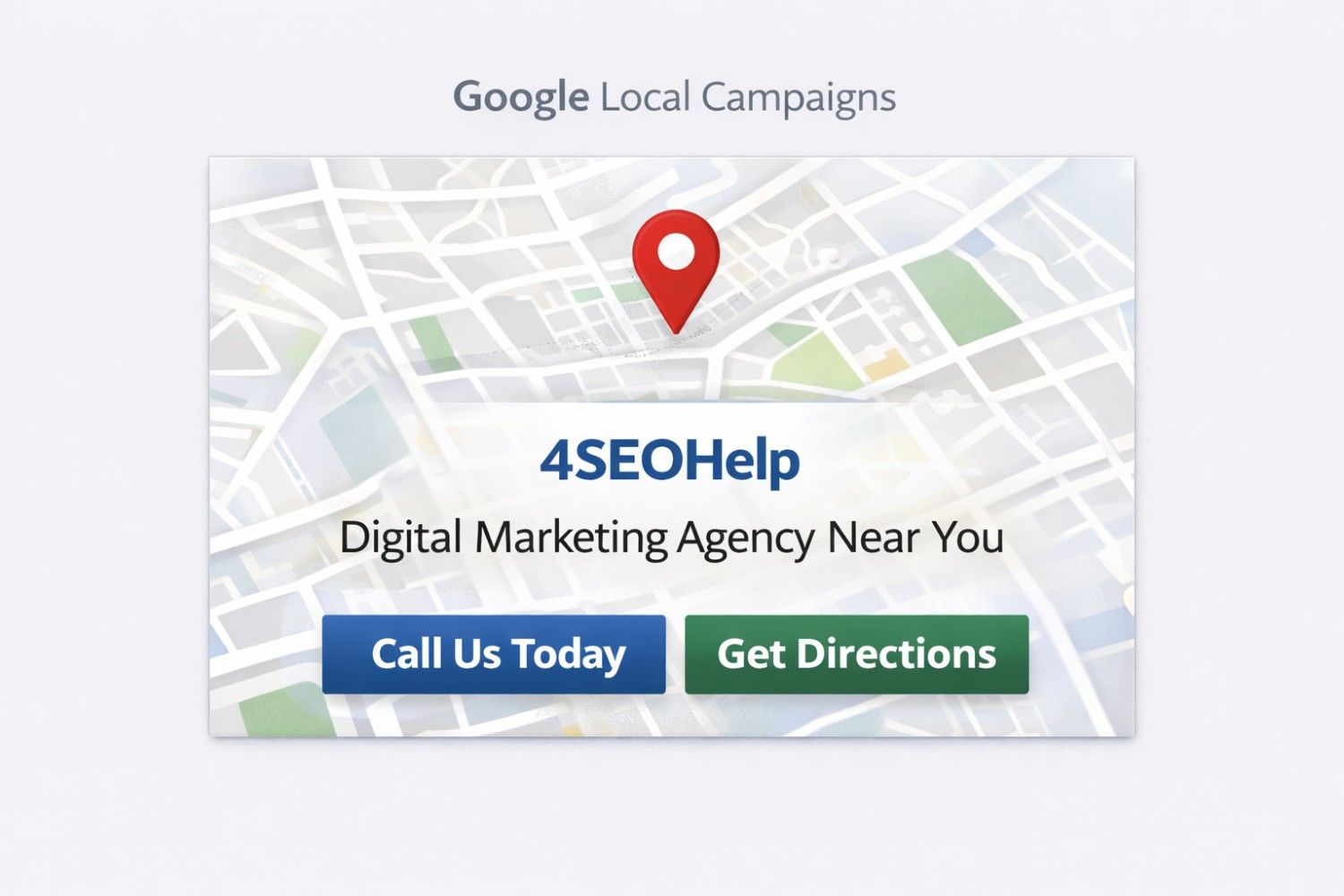
Google Local campaigns help businesses promote physical locations to nearby customers. These ads focus on increasing store visits, calls, and direction requests.
How Google Local Campaigns Work?
Local campaigns use your Google Business Profile information for promotion. Ads appear automatically across Google Search, Google Maps, YouTube, Gmail, and Display Network.
Who Should Use Google Local Campaigns?
Local campaigns are useful for businesses with physical stores or service areas. Retail stores, restaurants, salons, clinics, and service providers benefit the most.
Important Update About Local Campaigns
Google is slowly replacing Local campaigns with Performance Max for store goals. Existing Local campaigns are upgraded automatically in many accounts.
Pros of Google Local Campaigns
Easy setup with minimal management required
Strong local visibility across multiple Google platforms
Useful for driving store visits and local inquiries
Cons
Limited control over ad placements and formats
Gradually replaced by Performance Max campaigns
Best Alternative for Local Businesses
Local businesses should consider Local Services Ads or Local Inventory Shopping Ads. These options provide better control and clear lead tracking.
9. Google Local Services Ads
What Are Local Services Ads?
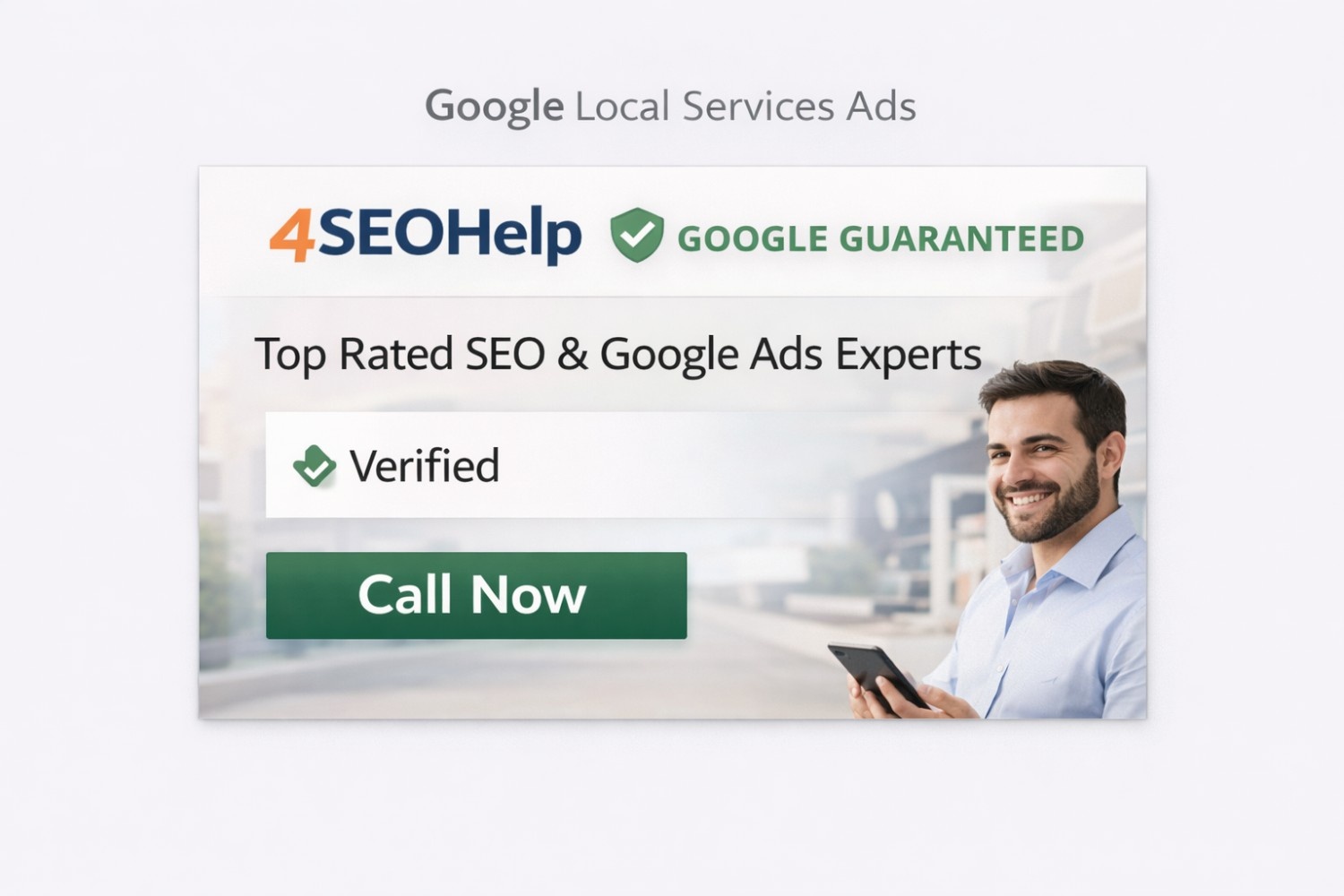
Local Services Ads appear at the top of search results for services.
Types of Local Services Ads
Google Guaranteed Ads for home services.
Google Screened Ads for professional services.
Pros and Cons of Local Services Ads
Pros:
Pay only for leads.
High trust badges improve credibility.
Cons:
Requires strong reviews to remain active.
Choosing the Right Google Ad Type
There is no single best Google ad type for every business. Each business has different goals, budgets, and audiences.
A balanced Google Ads strategy uses multiple campaign types. Testing different ads helps find what works best over time.
Start small, track performance, and scale campaigns gradually. Focus on clear goals and avoid rushing into complex campaigns.
Ending Words
Google Ads offers powerful tools for reaching customers at different stages. Understanding all 22 Google ad types helps businesses choose wisely.
Using the right Google Ads campaigns improves visibility, traffic, and conversions. With planning and testing, Google Ads can support steady and lasting business growth.
❓ Frequently Asked Questions (FAQs)
There are twenty-two different Google ad types across search, display, video, shopping, and automation campaigns.
Search ads and Local Services Ads work well for small businesses with limited advertising budgets.
Search ads target high-intent users, while Display ads focus more on brand awareness.
Shopping ads and Performance Max campaigns are best for selling products online.
Yes, Local Services Ads and Local campaigns help attract nearby customers effectively.
Video ads work best for brands that can visually explain products or services.
Performance Max shows ads across all Google platforms using one automated campaign.
Smart campaigns need very little management because Google handles most optimizations.
Yes, using different ad types creates a balanced strategy and improves overall performance.
Beginners should start with Search ads, test results slowly, then expand campaigns gradually.